


Menopause and perimenopause symptoms
Perimenopause and menopause are different for everyone.
You may get symptoms that have a big impact on your daily life, including relationships, social life, family life and work, or you may hardly have any symptoms at all.
Symptoms can happen during perimenopause and menopause. They can also happen after your menopause has ended (post menopause).
Sometimes, ethnic background can affect symptoms of perimenopause and menopause, how severe they are and how long they last. For example, women from a Black ethnic background are more likely to have hot flushes that are severe and continue longer.
Changes to your periods
One of the first signs of perimenopause is usually a change to your periods. They may happen more often or less often, and bleeding may get heavier or lighter. Eventually, you stop having periods altogether.
Hot flushes and night sweats
Hot flushes are when your face, neck and chest suddenly feel very hot or cold. It can make you sweat a lot, cause palpitations or anxiety, or make you feel dizzy. It can happen during the day or night (night sweats) and last for several minutes.
Sleep problems
Not being able to get to sleep or stay asleep can affect your daily life. It can make you feel irritable, stressed and anxious. Sleep problems may be worse if you also have night sweats.
Mood changes, poor memory and brain fog
You may have mood swings, low mood or depression. You may also notice problems with your memory or concentration. These symptoms may feel worse if you have sleep problems and feel very tired.
Weight gain
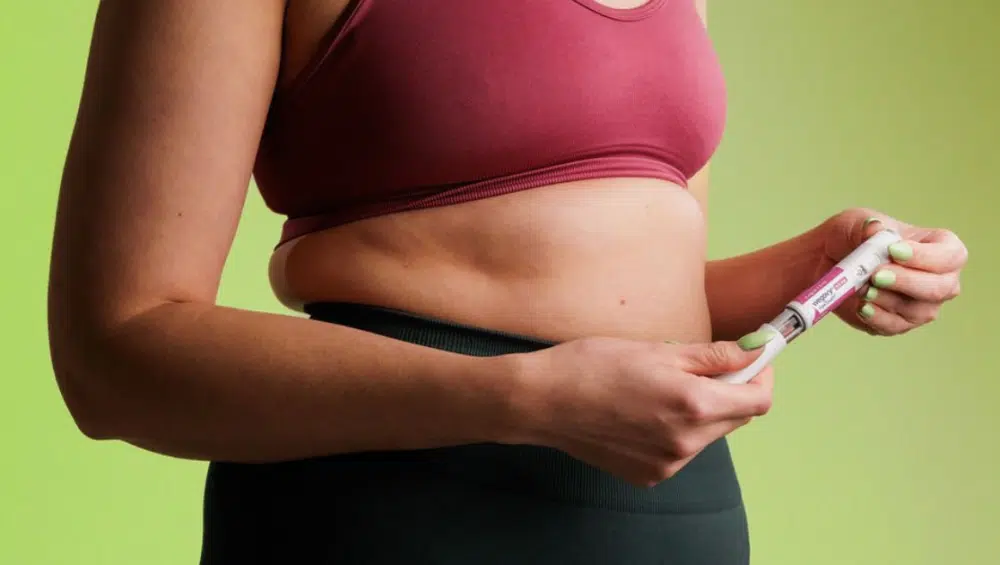
Weight gain during perimenopause and menopause is common. It often happens around the stomach and upper body.
Vaginal problems
You may get symptoms such as dryness, a burning feeling, irritation or itching in and around the vagina. These symptoms can also make sex feel painful.
UTIs (urinary tract infections)
You may get more UTIs (urinary tract infections) or symptoms that feel like a UTI. This includes feeling pain or a burning sensation when you pee and needing to pee more often than usual, including at night.
Other symptoms of menopause and perimenopause
Menopause and perimenopause may affect you in other ways, including:
- a faster, slower or more noticeable heartbeat (palpitations)
- weakening bones (loss of bone density), which can lead to osteoporosis
- feeling the need to pee more or not being able to control when you pee (urinary incontinence)
- headaches and migraines that are worse than usual
- muscle aches and joint pains
- hair thinning or hair loss
- skin changes, including dry and itchy skin
- reduced sex drive (loss of libido)
- sensitive teeth, painful gums or other mouth problems
What is perimenopause?
Perimenopause is when your body starts transitioning to menopause. During this transition, your ovaries begin producing less hormones, causing your menstrual cycle to become erratic or irregular. In perimenopause, your body is moving toward the end of your reproductive years. It’s a natural and normal progression, but it comes with both physical and emotional symptoms. Some of these symptoms can disrupt your life or make you uncomfortable.
Perimenopause may begin as early as your mid-30s or as late as your mid-50s. Some people are in perimenopause for only a short time, while others are in it for several years. Even though your menstrual cycles are unpredictable and your hormone levels are declining, it’s still possible to get pregnant in perimenopause.
Perimenopause is a transitional time that ends in menopause. Menopause means your periods have ended. When you have no menstrual cycle for 12 months in a row, you have officially reached menopause.
What are the hormonal changes during perimenopause?
The hormonal changes you experience during perimenopause are mostly due to declining estrogen levels. Your ovaries make estrogen, which plays a vital role in maintaining your reproductive system. As estrogen decreases, it throws off the balance with progesterone, another hormone your ovaries produce. It’s common for hormone levels to fluctuate during perimenopause — to go up and down like a rollercoaster.
When you reach menopause, your body makes so little estrogen that your ovaries no longer release eggs (ovulation). At this point, you stop having your period and you lose the ability to get pregnant.
What is the typical age for perimenopause to start?
Perimenopause begins about eight to 10 years before menopause. It usually starts in your mid-40s, but it can start earlier. Completing menopause before age 40 is called premature menopause. Some medical conditions or procedures cause early menopause. If there’s no medical or surgical cause for premature menopause, it’s called primary ovarian insufficiency.
How long does perimenopause last?
The average length of perimenopause is about four years, but it can last up to eight years. Some people may only be in this stage for a few months, while others will be in this transition phase for several years.
How do you know you’re in perimenopause?
It’s important to know that everyone’s body is different, and everyone experiences signs of perimenopause differently.
Generally, the first sign of perimenopause is irregular periods. You may go from having predictable menstrual cycles to spotting randomly or missing periods altogether. A lot of people also experience the most common signs of menopause like hot flashes and vaginal dryness early into the menopause transition.
Symptoms and Causes
What are the symptoms of perimenopause?
Once your estrogen levels begin to decline, your body must adjust to the changes in hormones. How your body reacts to changing hormones can be different from someone else’s, like how your friend’s body reacts. Some people don’t notice any physical changes other than skipped periods, while other people have symptoms like hot flashes and mood swings.
Even though the symptoms vary, many people experience at least one of the following:
- Irregular periods or skipping periods.
- Periods that are heavier or lighter than usual.
- Changes in mood like irritability, depression or mood swings.
- Low libido.
- Hot flashes.
- Night sweats.
- Vaginal dryness that causes discomfort during sex.
- Urinary urgency (needing to pee more frequently).
- Sleep problems (insomnia).
Because some of these symptoms resemble symptoms of other conditions, it’s a good idea to talk to your healthcare provider about what you’re experiencing. They can confirm that the symptoms are due to perimenopause and not another health condition.
What does perimenopause anxiety feel like?
There are only a few studies about anxiety specific to perimenopause. But healthcare providers do know that mental health conditions like depression are common in perimenopause. Many people also report feeling more anxious in perimenopause. Anxiety is a constant worry that may interrupt your daily life. Symptoms like sweating, nausea or muscle tension can also happen with anxiety. Perimenopause anxiety can make it hard to sleep and complete your daily routine. Talk to your healthcare provider if perimenopause is affecting your emotional well-being. They can recommend treatment with medication or behavioral therapy.
What are periods like during perimenopause?
Your body is producing less of the hormones that help you ovulate, so your periods can become irregular. Your menstrual cycle could become longer or shorter than usual. Your bleeding could also be heavier or lighter than normal. Some people also notice their premenstrual syndrome (PMS) symptoms get worse.
Do you still ovulate during perimenopause?
If you’re still getting a period, even an irregular one, you’re still ovulating. Until you haven’t menstruated for 12 consecutive months, you should assume your body is still ovulating.
How can I reduce my risk of perimenopause complications?
Irregular periods are common and normal during perimenopause, but other conditions can also cause irregular vaginal bleeding. If any of the following apply to you, see a healthcare provider to rule out other causes:
- Your periods become very heavy or contain large blood clots.
- You change pads or tampons every one to two hours.
- Your periods last several days longer than usual.
- You spot or bleed between periods.
- You bleed after sex.
- Your periods occur less than 21 days apart.
Your provider may want to rule out other causes of abnormal vaginal bleeding. Potential causes of abnormal bleeding include:
Diagnosis and Tests
How is perimenopause diagnosed?
A healthcare provider may determine that you’re transitioning to menopause based on a physical exam and your symptoms, age and medical history.
But you don’t always need to see a healthcare provider for an official diagnosis. Many people notice the changes in their bodies but don’t have severe symptoms. Other people end up contacting their healthcare provider because symptoms become intolerable and uncomfortable.
What tests can diagnose perimenopause?
Hormone testing isn’t necessary to diagnose perimenopause. Hormone levels fluctuate so much that the tests aren’t reliable.
But certain hormone tests can tell your provider you’re in perimenopause. For example, testing your FSH (follicle-stimulating hormone) level is one to see if perimenopause is beginning. FSH is a hormone your pituitary gland produces. It stimulates your ovaries to release an egg during ovulation.
A consistently high level of FSH can indicate you’re getting near menopause. But FSH tests can be misleading because during perimenopause, your hormones rise and fall erratically. Certain medications and health conditions interfere with hormone levels and will affect the results of any hormone tests.
There aren’t any imaging tests that can confirm perimenopause, but your provider may order tests to rule out other conditions.
Management and Treatment
Can perimenopause be treated?
There isn’t any treatment to stop perimenopause. Perimenopause is a natural part of life. It ends when your periods stop entirely, and you reach menopause.
But your healthcare provider may recommend ways to help ease uncomfortable symptoms. Many people don’t need medication and find that their symptoms are mild enough that lifestyle changes alone make a big difference. Still, other people find that taking medication relieves their symptoms and improves their quality of life.
Your provider may recommend the following medications:
- Antidepressants: These medications help with hot flashes, mood swings, anxiety or depression.
- Birth control pills: These medications stabilize your hormone levels and typically relieve symptoms.
- Hormone replacement therapy (HRT): HRT uses estrogen or estrogen and progesterone to increase your hormone levels if you’ve gone into menopause before age 40.
- Hormone therapy (HT): Similar to HRT, this therapy uses estrogen or estrogen and progesterone to increase your hormones. Providers use this term when referring to people going through menopause at a more natural age (any time after age 45).
- Gabapentin (Neurontin®): This medicine is a seizure medication that also relieves hot flashes for most people.
- Oxybutynin: A medication for overactive bladder that can also relieve hot flashes.
- Mirena®: This intrauterine device (IUD) can manage abnormal or irregular bleeding from perimenopause. It’s also sometimes used as the progestin component of HRT, but only if you still have a uterus.
- Vaginal creams: Your provider can tell you about prescription and over-the-counter options. Treatment with vaginal creams and lubricants can decrease pain during sex and relieve vaginal dryness.
Your healthcare provider will discuss the risks and benefits of perimenopause treatment with you and recommend the best option based on your needs.
What lifestyle changes can I make to manage perimenopause symptoms?
You may be able to manage perimenopause symptoms at home without needing medication from your provider. Some tips for treating your symptoms without medication include:
- Eat lots of fruits, vegetables, whole grains, lean protein and healthy fats.
- Perform weight-bearing exercises like walking, hiking or strength training.
- Dress in layers so you can remove clothing if you begin to sweat or get hot flashes.
- Use a fan or keep your house at a cooler temperature.
- Improve sleep hygiene by avoiding TV and computer screens and doing relaxing activities before bed.
- Limit alcohol and caffeine.
- Practice meditation or other stress management techniques.
- Quit using tobacco products like cigarettes.
- Maintain a weight that’s healthy for you.
What makes perimenopause worse?
There isn’t one specific thing that makes perimenopause worse. Everyone is different. You may find that certain activities or specific foods make your symptoms worse. In general, the following factors can make perimenopause symptoms worse:
- Eating unhealthy foods like sugary drinks and desserts or foods high in saturated fat. Eating more nutritious foods can help with weight changes and hot flashes from perimenopause.
- Avoiding exercise or staying sedentary. Getting regular exercise has been shown to improve energy, mood swings and sleep problems.
- Smoking cigarettes or using tobacco products. Studies show that smoking can lead to early menopause and decreased bone density, as well as worsen vaginal dryness.
Talk to your healthcare provider about your lifestyle and any symptoms you have. They can work with you on a treatment plan and recommend ways to improve your overall well-being.